

Project brain
Fragmented project data, unified into one live model: every requirement, decision, milestone, owner and document, with a memory of what each value used to say.
The current answer, and the one it replaced.
A single source of truth gets you through this week. It does not get you through the agency that reopens a filing two years later, or the argument about why a date moved that nobody wrote down at the time. Vela keeps the value on screen now and the version it replaced, with the document behind each one.
- One live model per project
- Every field shows its source and the date it was read
- Old values stay readable after they are replaced
- Find the document nobody thought to keep
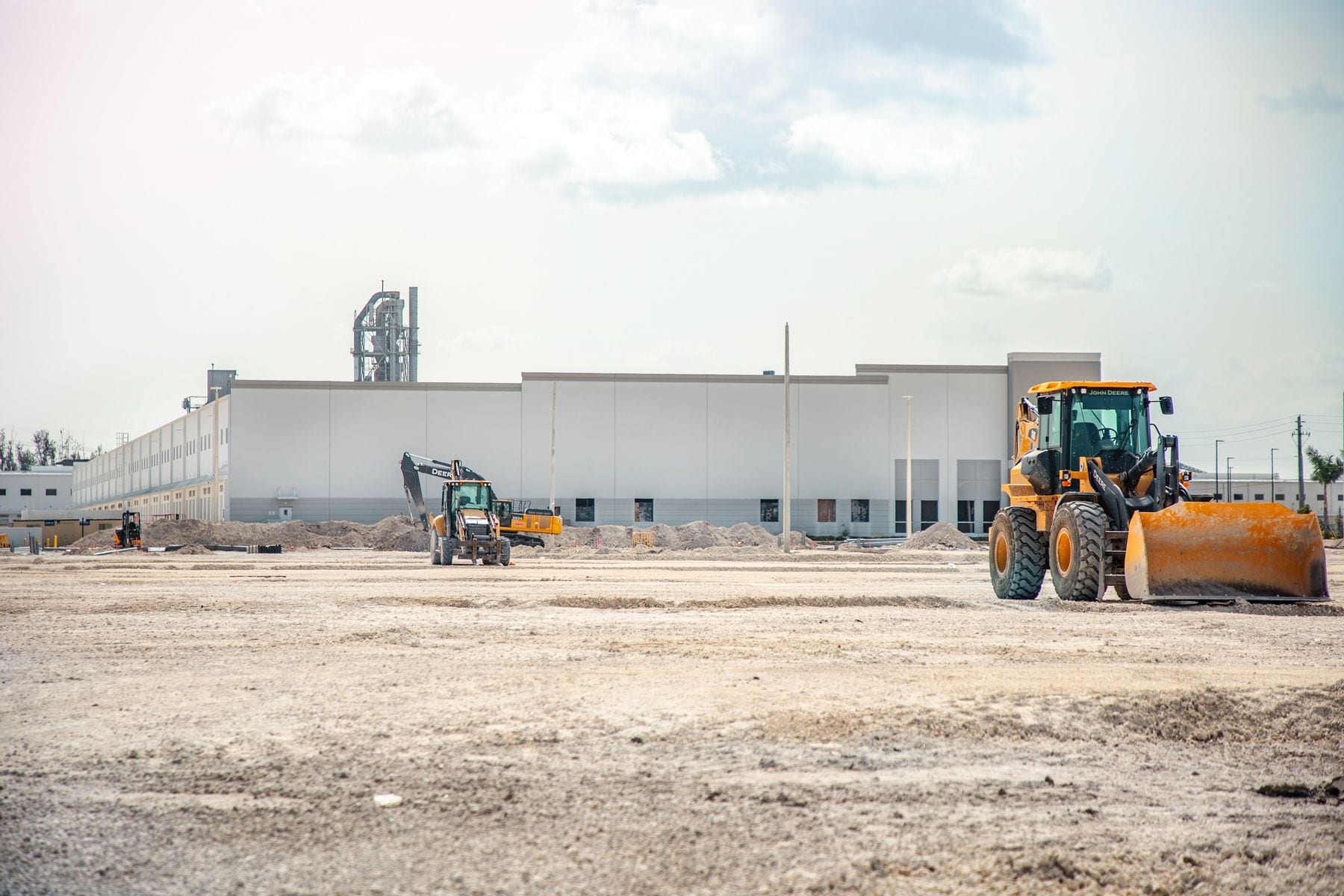
Desert Ridge Storage
8 recordsEquipment, drawings, decisions, risks, owners, and milestones, held as one linked model. The pulsing link is the change that just landed.
What the model holds
It holds the things a project argues about.
Equipment and its dates. Drawings, and what each revision fixed. Decisions, and what they cost. Risks, and the thing somebody owes by a date. Each object knows what stands behind it, so one changed field can be followed all the way to the milestone it lands on.
- Seven kinds of record, linked to each other instead of filed away
- Every record names the evidence behind it
- One model per project, built once and kept current
GSU-01 — 500 MVA generator step-up transformer
At riskOne record, three sources, and the gap between them on display.
Where a value came from
Down to the sheet, the tab and the row.
Being told a number came from Drive is no help. Every value in the model carries the document, the exact place inside it, and the date it was read. Checking a number means opening one row instead of asking three people which version they had open.
- Citations that land on a row you can open
- The read date on every citation
- Checking a number is opening one row, not asking around
Where this value came from
Every citation lands on a row you can open and check.
What it remembers
Old values stay where you can read them.
Rev 6 is still readable after Rev 7 lands. The delivery date the register carried in July is still readable after the supplier moved it. That history is what lets Vela catch a stale register at all, and it is why assembling an application packet stops being a week of digging.
- Every prior value kept, with the dates it was true
- A new revision supersedes the old one and leaves it readable
- Pull a packet out of the record instead of hunting folders
On site, as it has been recorded
The old value stays on the record. The last edit does not wipe out what the field said before it.
Which source is behind
The stalest source is the one you see first.
A live model is only as current as the slowest system feeding it. Every source carries the date Vela last read it, so a register nobody has touched since 16 Jul is visible as exactly that, instead of quietly outvoting the thread that superseded it.
- Every source shows the date it was last read
- A field fed by a stale source says so
- The gap between two sources is surfaced, not averaged
Sources
4 readingEvery source shows when Vela last read it, so you can see which one is behind.
The rest of the platform
AI-native execution layer
The systems, documents and teams behind a project, reading into one place where the work moves.
ExploreAgent builder
Describe the job in plain language. Vela builds the agent that does it, against your live project.
ExploreCustom dashboards and portals
Build the view each discipline works out of, instead of asking four teams to share a screen.
ExploreBring the document nobody can find.
Pick the thing your team lost an afternoon looking for last month. We'll show you what it takes to have it sitting behind a field in the model instead.